

India’s metals and minerals industry is experiencing a remarkable transformation. With strong production growth, strategic policy reforms, and rising demand both at home and abroad, this sector is emerging as a compelling avenue for investors looking to participate in India’s economic expansion.
Strong Production Momentum
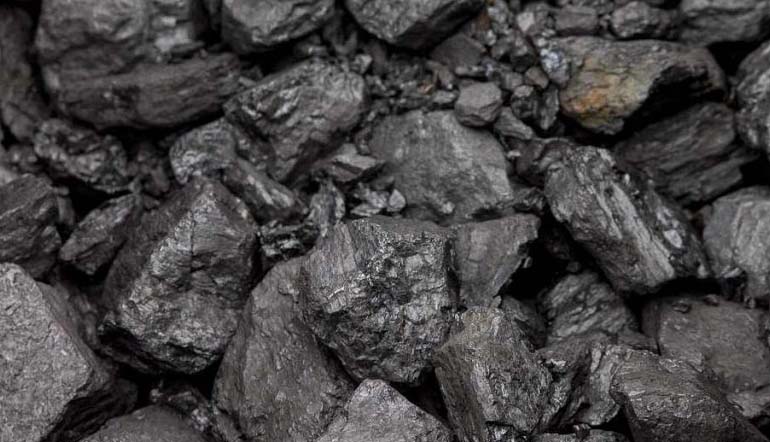
Over the past few years, India’s mining and metals output has been on an upward trajectory. Between 2018 and 2023, production grew from 1,032 million tonnes to 1,218 million tonnes—a healthy 3.36% CAGR. In 2025, this momentum continues: mining and quarrying output rose 6% in August alone. Iron ore production hit 289 MMT in FY 2024-25, while refined copper and aluminium output also saw significant gains. Coal production crossed the one-billion-tonne mark in March 2025, ending the year at 1,047.57 MT. These numbers underscore strong fundamentals and growing demand for raw materials.
Focusing on Critical Minerals
The government’s focus on critical minerals is creating new opportunities. The National Critical Mineral Mission, launched in January 2025 with a ₹16,300 crore allocation, targets 30 critical minerals—including lithium, cobalt, nickel, and rare earths. Policy measures such as removing customs duties on 12 minerals and securing exploration rights abroad—like the recent $600 million Australian lithium deal—signal India’s strategic intent to ensure supply security and strengthen domestic processing.
Technology and Innovation
Modernization is reshaping the sector. Companies are increasingly leveraging IoT, AI, drones, and predictive maintenance systems to boost efficiency by 10–15%. Startup incentives, government grants, and seven new Centres of Excellence are fostering innovation in exploration, processing, and recycling. These initiatives not only improve productivity but also position India as a hub for advanced mining technologies.
Supportive Policy Environment
Policy reforms are making investments smoother and more predictable. The Mines and Minerals Amendment Bill 2025 expanded lease rights to critical minerals, removed sales caps on captive mines, and enhanced exploration funding. Transparent auctions of over 500 mineral blocks since 2015 have generated ₹4 lakh crore for states, providing a robust framework for investors and operators alike.
Rising Domestic and Export Demand
India’s growing industrial and infrastructure activity is driving demand for metals. Steel consumption, for example, is projected to grow around 10% in FY 2025, while salt exports surged 65.5% in 2024 and iron ore exports have also climbed. This diversity across commodities and markets adds stability to revenue streams, reducing dependence on a single product or buyer.
Financial Incentives and Capacity Expansion
Government-backed schemes are further fueling growth. The PLI Scheme 1.1 for specialty steel has attracted $3.55 billion in investments, creating 25 million tonnes of capacity. The Coal Gasification Mission aims for 100 MT by 2030, and ₹1,500 crore in incentives for critical mineral recycling are supporting circular-economy initiatives. These measures are strengthening the sector’s long-term growth potential.
Looking Ahead
India’s metals and minerals sector brings together strong production growth, strategic resource security, technological adoption, policy clarity, and rising demand. With government support, international partnerships, and innovation driving change, the sector is well-positioned for sustainable growth.
For investors, this isn’t just about commodities—it’s about being part of India’s development story. Whether it’s steel, copper, aluminium, or critical minerals, the sector offers an opportunity to benefit from structural growth trends and long-term value creation. In short, India’s metals and minerals industry is not only powering infrastructure and industry—it’s powering investment potential too.